



Moscow Exchange Launches Trading in New Cryptocurrency Futures
Moscow Exchange Launches Trading in New Cryptocurrency Futures
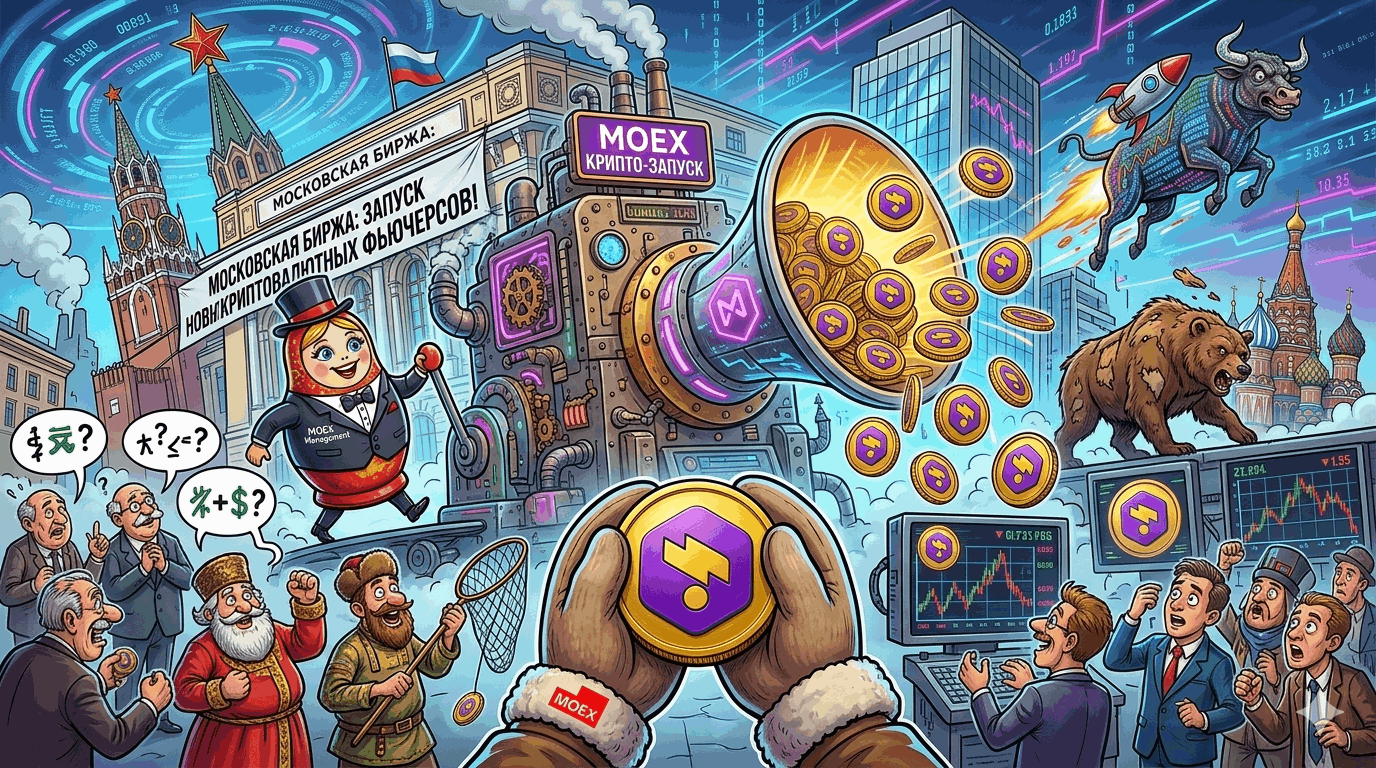
The Moscow Exchange continues to actively expand its lineup of digital asset-related instruments. The platform has announced the launch of trading in new cash-settled futures tied to the cryptocurrency indices of Solana, Ripple, and Tron. Trading is scheduled to begin on May 14, although access to these instruments will be limited to qualified investors.
The new contracts will be linked to cryptocurrency indices calculated by the exchange itself. Separate tickers have been assigned for each asset: MOEXSOL for Solana, MOEXXRP for Ripple, and MOEXTRX for Tron. With this move, the Moscow Exchange continues integrating crypto-related instruments into Russia’s traditional financial infrastructure.
Experts note that the launch of these futures reflects growing institutional interest in digital assets. Previously, the exchange introduced instruments based on Bitcoin and Ethereum, and it is now expanding into major altcoins widely used in payments, DeFi, and Web3 ecosystems.
One of the key advantages of such instruments is the ability to gain exposure to the cryptocurrency market without directly purchasing digital assets. Investors can access crypto price movements through the regulated infrastructure of the Moscow Exchange, while all settlements are conducted in rubles. This helps reduce some of the risks associated with storing cryptocurrencies and using foreign crypto exchanges.
Analysts believe that the introduction of new cryptocurrency futures could increase interest in the Russian derivatives market and attract additional liquidity. This is especially relevant amid the global rise in interest in digital assets and the gradual integration of crypto instruments into the traditional financial system.
In addition, representatives of the Moscow Exchange have already announced plans to further expand their crypto product lineup. In the future, the exchange is considering launching perpetual futures for digital assets, including Bitcoin and Ethereum, which could make the Russian derivatives market more competitive.
Overall, the launch of futures for Solana, Ripple, and Tron demonstrates that cryptocurrencies are gradually becoming part of the traditional financial market. Although access is currently restricted to qualified investors, the trend clearly points toward closer integration between classical exchange-traded instruments and the digital asset industry.