




Bitcoin Under Geopolitical Pressure: Risks of Further Decline Amid Iran’s Attacks on U.S. Bases!
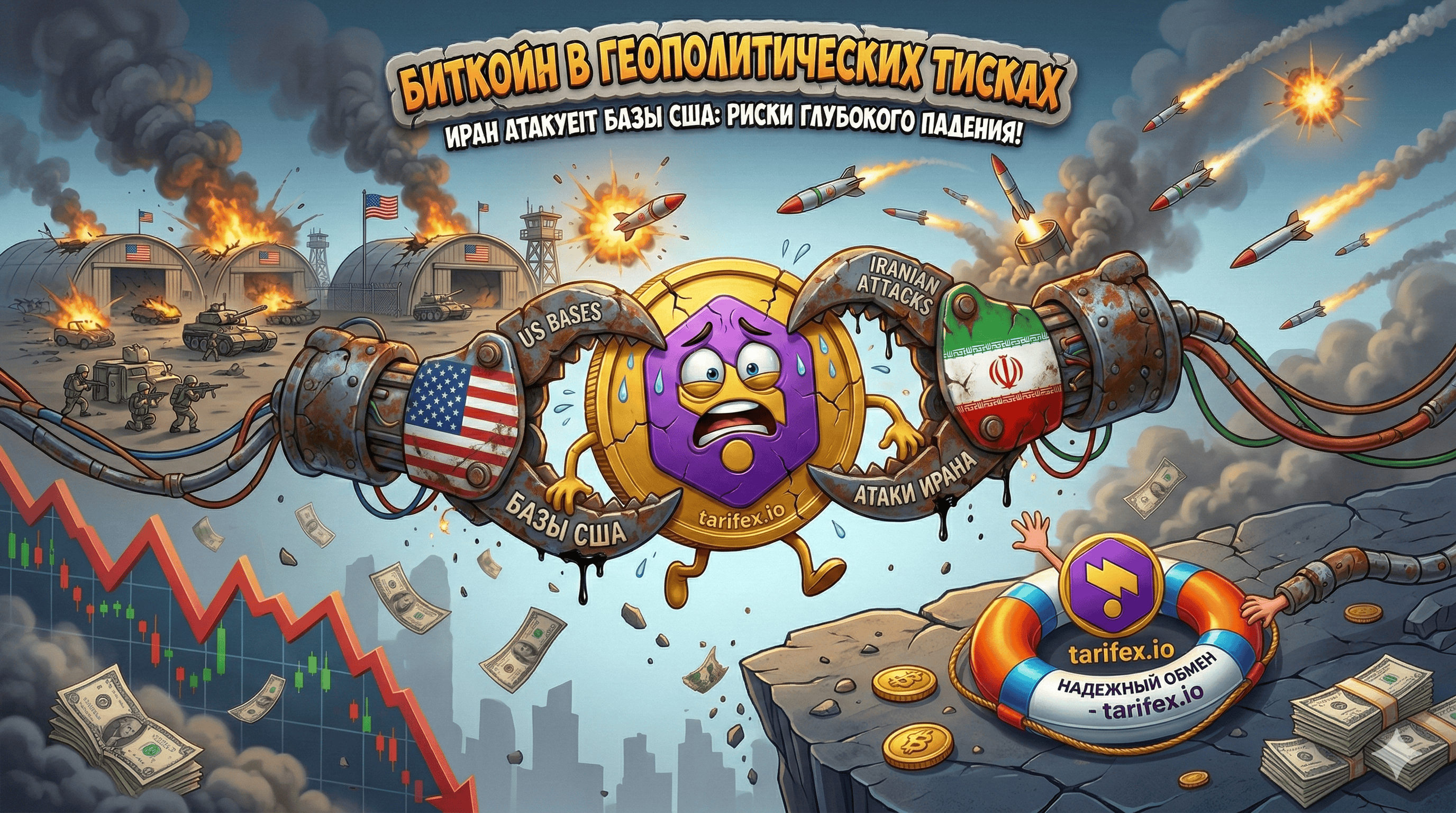
Digital markets are being significantly affected by the worsening situation in the Middle East. Following strikes by Israel and the United States on Iran, Tehran launched a large-scale retaliatory response, including missile and drone attacks on U.S. facilities and allied targets in the region. These developments have increased uncertainty across financial markets and influenced investor behavior in cryptocurrencies, including Bitcoin.
Bitcoin, which had already fallen below the $64,000 level after the initial strikes, remained slightly above $63,000 amid the ongoing conflict. Despite relative stability over the weekend due to lower liquidity, the real test may come when traditional markets reopen at the beginning of the week. A break below the $60,000 support level is possible if investors continue shifting capital from riskier assets into more conservative instruments.
One of the key reasons for the pressure on Bitcoin is the global shift into “risk-off” mode. As geopolitical risks rise, investors tend to reduce their exposure to high-risk assets. Amid escalating tensions in the region, demand is increasing for traditional safe-haven assets such as gold, government bonds, and stable currencies, leading to capital outflows from cryptocurrencies.
Experts also warn that a broader conflict could trigger sharp increases in energy prices. If geopolitical tensions disrupt critical oil supply routes, this could intensify inflationary pressures and further weigh on risk assets, including digital currencies. Historically, Bitcoin has shown correlation with sentiment in traditional markets, especially during periods of heightened uncertainty, making it vulnerable to global shocks.
At the same time, it is worth noting that during previous episodes of geopolitical tension, Bitcoin initially declined following breaking news but later partially recovered once the situation stabilized. A similar pattern was observed during the 2025 conflict, when initial strikes led to a correction before the market found support and rebounded.
Overall, the current military escalation remains a factor increasing the risk of further downside in Bitcoin’s price. Traders and investors are advised to closely monitor geopolitical developments and be prepared for heightened volatility in the near term.