




Russian banks may become crypto exchangers — what will this change in the market?
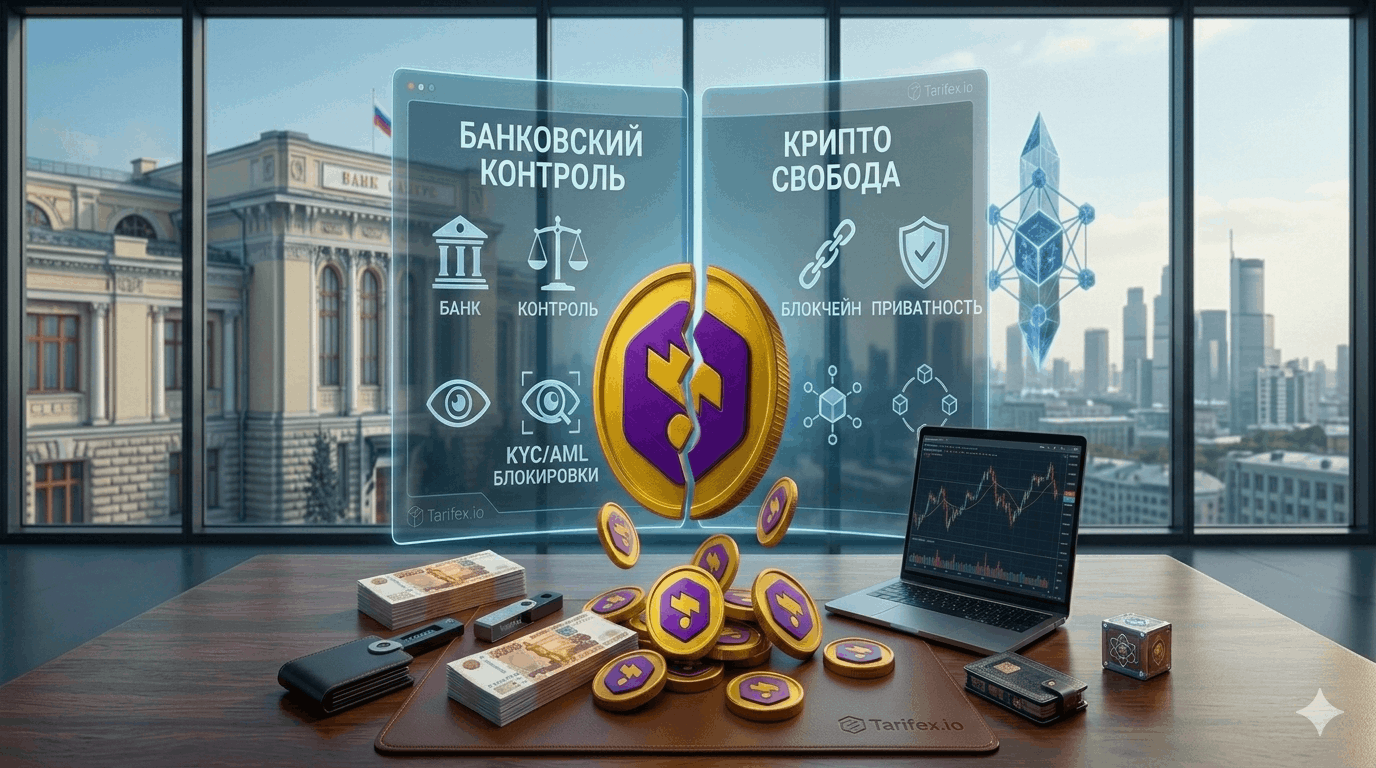
In Russia, an initiative is being discussed that would allow banks to officially operate as cryptocurrency exchangers under their existing licenses. Formally, this is presented as a step toward legalization and better regulation of the digital asset market. However, this approach also has a downside that deserves open discussion.
The essence of the initiative is that banks would be permitted to conduct cryptocurrency exchange operations while complying with financial monitoring requirements and current legislation. At first glance, this appears to be a move toward transparency and institutionalization of the market. In reality, however, it means transferring crypto transactions into a fully controlled environment.
The key question is: what remains of the original idea of cryptocurrency?
One of the main advantages of digital assets has always been their relative independence from the traditional banking system. Users were drawn to cryptocurrencies not only because of their investment potential, but also for flexibility, decentralization, and a certain level of privacy. If transactions are routed through banks, every operation will automatically fall under full financial oversight.
Banks are required to implement KYC and AML procedures. This means mandatory identity verification, source-of-funds analysis, and ongoing transaction monitoring. In practice, all digital asset movements processed through banks would be fully visible to regulators. In such a framework, the anonymity often associated with cryptocurrencies effectively loses its meaning.
In addition, increased oversight may lead to further restrictions. Banks operate with a high degree of regulatory caution. They may freeze transactions, request additional documentation, or suspend transfers at the slightest suspicion. For users, this could mean delays and more complex processes.
There is another dimension to consider. When a market becomes fully institutionalized, it ceases to be an alternative and begins operating under the same rules as the traditional financial system. Decentralization gives way to centralized control. Freedom yields to regulation.
Certainly, for some users the banking model may appear safer and more convenient. However, for those who value privacy and independence, this format may represent a step backward.
If the initiative is implemented, the cryptocurrency market in Russia will likely become more regulated — but at the same time less autonomous.
The central question remains: are users ready to exchange the idea of digital asset freedom for the comfort of operating through familiar financial institutions?