




Binance Suspends Card Withdrawals for Users in Ukraine: What It Means for the Market
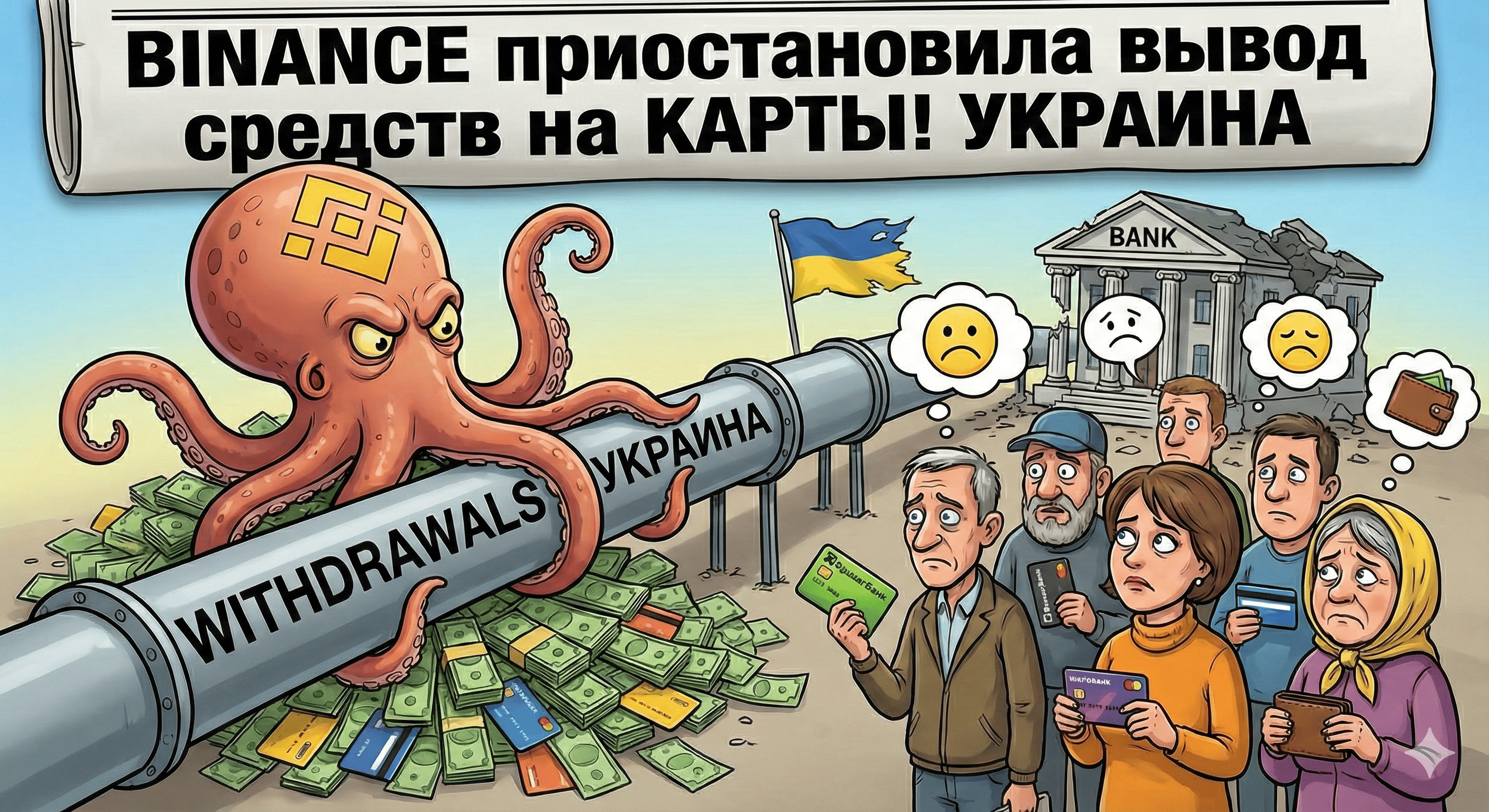
The world’s largest cryptocurrency exchange, Binance, has suspended the option for users in Ukraine to withdraw funds directly to bank cards. The decision has affected Visa and Mastercard withdrawals, which for a long time remained one of the most convenient ways to convert crypto assets into fiat money.
The restriction applies specifically to card withdrawals and does not mean a complete shutdown of fiat services. Ukrainian users can still deposit funds using bank cards, make payments through Apple Pay and Google Pay, and use SWIFT transfers as an alternative withdrawal method. Peer-to-peer trading also remains available, allowing users to exchange cryptocurrency directly with other participants.
The suspension appears to be related to changes in the payment infrastructure rather than a strategic shift by the exchange itself. Binance relies on external partners to process fiat transactions, and adjustments in regulatory requirements or payment service agreements can temporarily disrupt certain services in specific regions.
For many users, the change has created inconvenience, especially for those accustomed to fast card withdrawals. Alternative options such as SWIFT transfers may involve higher fees or longer processing times, while P2P trading requires additional attention to security and transaction terms.
The situation highlights a broader trend in the cryptocurrency industry: access to fiat on- and off-ramps is becoming increasingly sensitive to regulatory and compliance factors. Even major platforms with global reach are affected when financial intermediaries revise their policies or withdraw from certain markets.
For users in Ukraine, the suspension means that the familiar path from cryptocurrency to bank card is no longer available for now. As a result, traders and investors are forced to adapt by using alternative withdrawal methods and reconsidering how they manage liquidity between digital assets and traditional financial systems.
Overall, the move reflects the growing complexity of the crypto–fiat interface and underscores the importance of flexibility when operating in an evolving regulatory environment.