




The Russian Prosecutor General’s Office has declared the cryptocurrency exchange WhiteBIT an undesirable organization
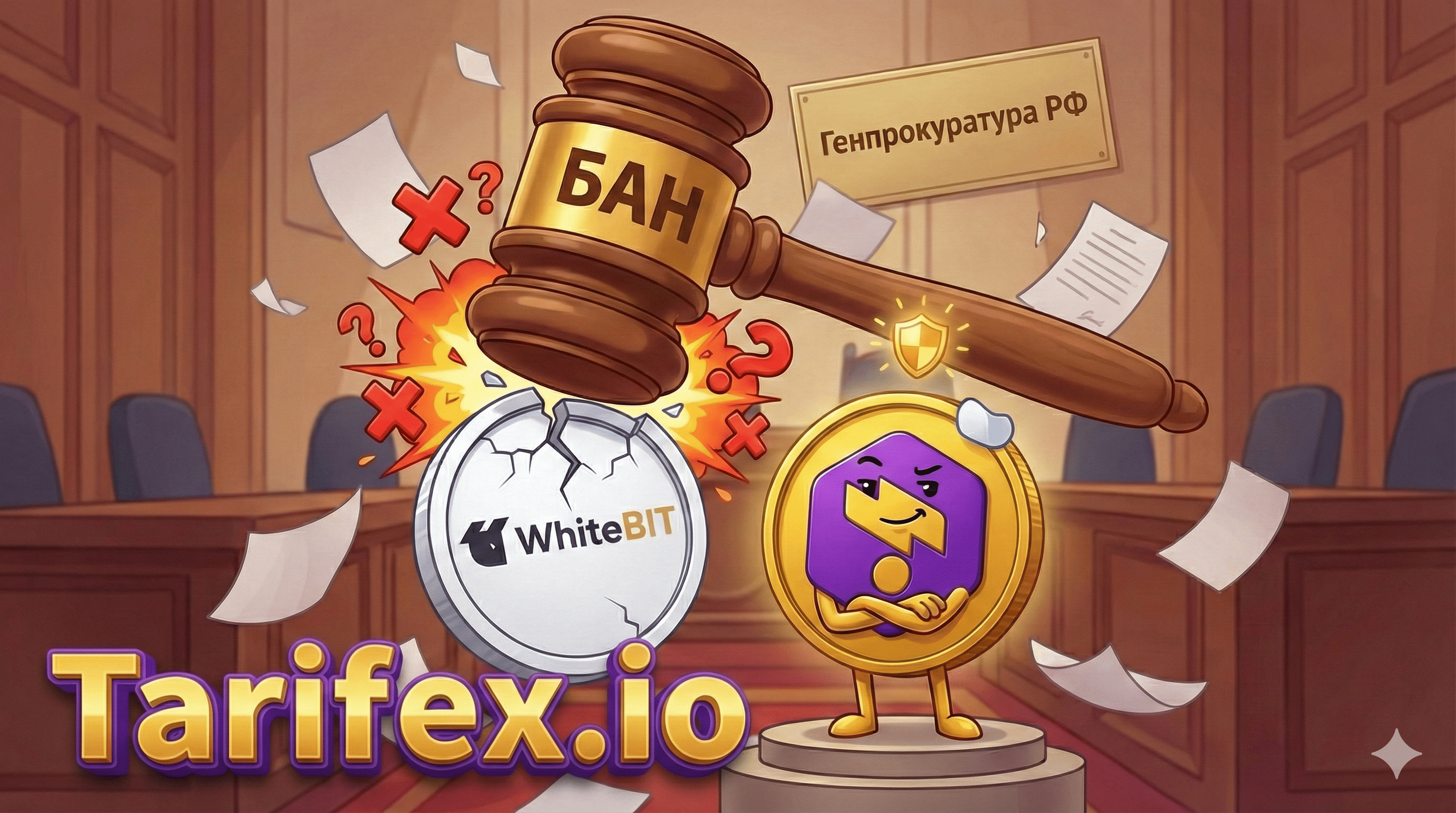
The Prosecutor General’s Office of the Russian Federation has added the cryptocurrency exchange WhiteBIT to the list of undesirable organizations in Russia. The decision applies both to the platform itself and to its parent company and related entities.
Russian regulatory authorities stated that the exchange’s activities pose a threat, claiming that transactions allegedly linked to the illegal withdrawal of funds from the country were carried out through the platform. The authorities also believe that WhiteBIT supports certain actions outside Russia and is involved in financial operations that contradict the interests of Russian legislation.
In an official statement, the Prosecutor General’s Office noted that since 2022, the management of WhiteBIT has allegedly transferred significant amounts of money, including funds directed toward the purchase of specialized equipment for military formations. Russian officials also pointed to the company’s involvement in charitable and fundraising initiatives, which, in their view, were used to support activities outside the country.
WhiteBIT was founded in 2018 and positions itself as an international cryptocurrency trading platform. The company originated from a project launched by Ukrainian entrepreneurs and serves users in various regions around the world. Following the escalation of the conflict between Russia and Ukraine, the platform restricted access for some users and discontinued support for trading pairs involving the Russian ruble, which also drew criticism from Russian regulators.
Inclusion in the list of undesirable organizations means a ban on any form of activity, cooperation, or distribution of materials related to the company within the country. Violations of these restrictions may result in administrative or criminal liability.
The decision by the Prosecutor General’s Office has sparked broad discussion within the crypto community and raised questions about the potential consequences for users, platforms, and the regulatory environment in the digital asset sector. Many market participants note that such measures reflect the current geopolitical and legal challenges faced by international cryptocurrency services.